Teammates, Deadlines, and Drama: How to Actually Survive a Group Project in an Online Class

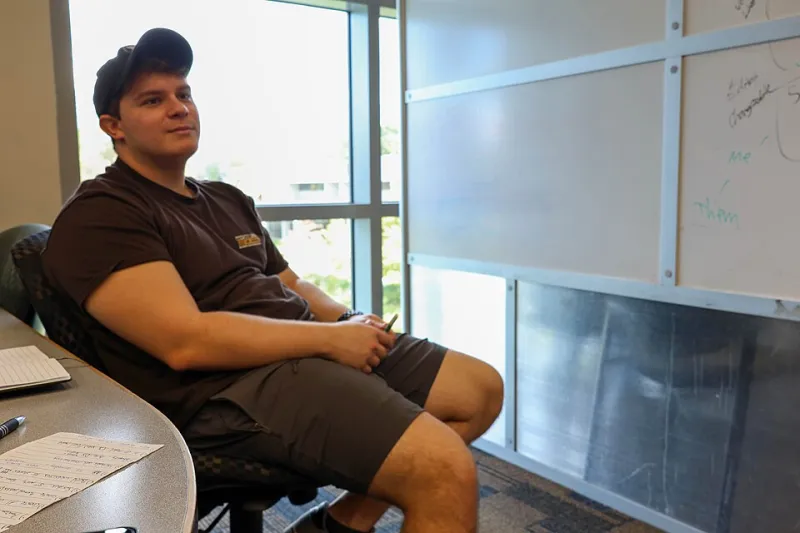
Photo: college.library, CC BY 2.0, via Wikimedia Commons
Let's be honest — when a professor announces a group project in an online course, the collective groan is practically audible through Zoom. You've got people in different time zones, different schedules, and wildly different definitions of what "done" looks like. And unlike an in-person class where you can at least corner someone after lecture, online group work means everything runs through messages, shared docs, and good faith.
Good faith doesn't always show up.
But here's the thing: group projects aren't going anywhere. Employers love them because collaboration is a real skill. So instead of dreading every shared assignment, let's talk about how to handle them — even when your group makes it hard.
Set the Ground Rules Before Anything Else
The single biggest mistake students make in online group projects is skipping the setup phase. Everyone's eager to just divide tasks and get going, but that shortcut almost always causes problems two weeks later.
Within the first 24–48 hours of being assigned a group, hold a quick kickoff meeting — even a 20-minute video call works. Agree on a few basics:
- Communication platform: Will you use GroupMe, Discord, a shared Slack channel, or just email? Pick one and stick to it.
- Response time expectations: Something like "everyone responds within 24 hours on weekdays" avoids the anxiety of watching a message go unread for three days.
- Role assignments: Who's coordinating deadlines? Who's doing the final edit? Even loose roles prevent the "I thought you were handling that" disaster.
- Meeting cadence: Even one short check-in per week keeps things from going off the rails.
Write this stuff down in a shared Google Doc. It sounds overly formal for a class assignment, but having a reference point matters when things get messy.
When Someone Goes MIA
It happens in almost every group project at some point — one person just... disappears. They miss the check-in. They don't submit their section. You send three messages and get nothing back.
Before you spiral, try a direct, low-pressure message. Something like:
"Hey [name], just checking in on the intro section — we're aiming to have drafts compiled by Thursday. Let me know if you need anything or if the timeline needs adjusting."
This approach is friendly, gives them a clear deadline, and offers a door to communicate if something's going on. A lot of the time, people ghost because they're overwhelmed, not because they're trying to make your life harder.
If two attempts go unanswered, loop in your professor — but do it professionally. Forward the communication thread and frame it as a heads-up, not a complaint:
"Hi Professor [name], I wanted to flag that our group hasn't been able to reach [teammate] for the past several days. We're planning to move forward with our current timeline but wanted to keep you informed in case the final submission reflects unequal contributions."
This protects you. It creates a paper trail without burning anyone publicly.
Document Your Contributions — Seriously, Do It
Grade disputes over group projects are more common than most students expect. And in an online class, where there's no in-person witness to your work, documentation is everything.
Here's a simple system that takes almost no extra time:
- Keep a personal log. A basic Google Doc where you jot down what you worked on each session, how long it took, and what you submitted. Date everything.
- Use version history. Google Docs and Slides automatically track who made what changes. Don't edit in Word and paste it in — work directly in the shared doc so your contributions are recorded.
- Save your messages. If you assigned tasks over GroupMe or Discord, screenshot the conversation. If you gave feedback on someone's section, keep that email.
If a grade dispute comes up, you want receipts. Professors are much more willing to reconsider individual grades when a student can show specific, dated evidence of their work.
How to Lead Without Becoming the Whole Team
Some students naturally step into a coordinator role — and if that's you, it can be genuinely valuable experience. But there's a difference between leading and doing everyone else's work because it's easier.
Effective online group leadership looks like:
- Setting clear deadlines, not just final ones. Break the project into stages with intermediate checkpoints so no one is scrambling the night before.
- Checking in, not checking up. "How's the research section coming along?" lands differently than "Did you do it yet?"
- Letting people own their parts. Resist the urge to rewrite everything. Give feedback, sure — but if someone's section is good enough, let it be good enough.
- Knowing when to escalate. If one person's consistent absence is genuinely threatening the project, that's a professor conversation, not something you need to absorb alone.
Make Sure You're Actually Learning Something
Here's the part that gets lost in all the logistics: group projects are supposed to teach you something. In the chaos of managing teammates and deadlines, your own learning can quietly slip away.
Be intentional about what you take from the experience. If you're assigned a section outside your comfort zone, lean into it instead of defaulting to the easiest part. Ask questions during group discussions even if you feel like you should already know the answer. Review the sections your teammates wrote — not just to check their work, but because the full picture matters.
Online classes can already feel isolating. A well-run group project is actually one of the better opportunities to engage with course material in a way that sticks. Don't let the drama distract you from that.
The Bottom Line
Group projects in online classes are genuinely harder than in-person ones, and it's okay to acknowledge that. But they're also a real test of skills you'll use after graduation — communication, conflict navigation, time management, and knowing when to ask for help.
Set expectations early, document your work, communicate professionally, and don't try to carry the whole team. And if things go sideways despite your best efforts, you'll at least have the receipts to show you showed up.